Complaint (n) = negative comment şikayet
Complain (v) şikayet etmek
Request (n) = desire istek, talep
Request (v) = ask = want istemek, talep etmek
Snapshot
Reasonable = logical = sensible mantıklı
Unreasonable = illogical mantıksız
Housework = chores ev işleri
Criticize (v) eleştirmek
Privacy (n) mahremiyet, özel hayat
Conversation
Mess (n) dağınıklık, karışıklık
Messy (adj) = disorganized dağınık
| Turn down (v) sesini azaltmak | Turn up sesini açmak |
| Turn on açmak (elektronik bir şey) | Turn off kapatmak (elektronik bir şey) |
Put away = remove kaldırmak, bir kenara koymak
Nervous (adj) = stressed gergin
a pile of dishes bir yığın bulaşık
Grammar
Phrasal verbs = two part verbs
turn down the TV Televizyonun sesini kısın
Turn up Televizyonun sesini aç
Turn off the TV (electronic things) TV kapat
Word Power
Housework = chores
grocery shopping market alışverişi
groceries = general products from the market
Listening
Survey anket
Result = outcome sonuç
Specific = special kişiye, duruma veya olaya özel
do laundry çamaşır yıkamak
Grammar – Requests
Modals can, could, may, will, need to, would….
RULE ABOUT MODALS: You can’t use a modal without a verb. (Except short answer questions)
Example: I can swim.
Example: A: Can you swim? B: Yes, I can.
Requesting with Modals
Modal + Subject + Verb 1
Can you keep your cat inside, please?
Could you turn the music down, please?
Would you please park your car in your space?
More polite Would you mind… + gerund (V+ing)
Would you mind Sakıncası yoksa
Would you mind keeping your cat inside?
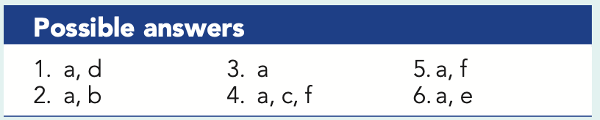
Appropriate = suitable uygun, yerinde
Speaking
give an excuse bir bahane sunmak
admit a mistake bir hatayı kabul etmek
make an offer bir teklif vermek / sunmak
make a promise bir söz vermek
Reading
Madness (n) = craziness delilik, çılgınlık
Satisfactory (adj) = pleasing tatmin edici
Two-thirds = 2/3 üçte ikisi
Around = about yaklaşık (sayı için)
Guest misafir
Complain (v) şikayet etmek
Complaint (n) şikayet
Almost nerdeyse, adeta
Weird (adj) = odd = strange tuhaf, garip
Lend ödünç vermek
Suit takım elbise
Interview görüşme, mulakat (resmi görüşmesi)
Staff = personnel kadro, personel
Give a hand = help = assist yardım etmek, el atmak
Cereal Mısır gevreği
Strawberry çilek
Coast = seaside = beach sahil, deniz kenarı (haritada kullanıır)
Oversleep fazla uyumak, uykuya kalmak
Dish = food yemek
Buffet büfe
Gain = get = benefit kazanmak, elde etmek
gain weight kilo almak
snoring horlamak
patient (adj) sabırlı
be patient sabırlı ol
Portuguese Portekizce
Grammar: Unit 21 – Will/shall 1, Unit 37 – Can/could/would you…?
Vocabulary: Unit 36 – Talking about your work, Unit 65 – Apologies, excuses and thanks
Writing Topics:
- Some people believe children should do chores to learn responsibility. Do you agree or disagree?
- Is it better to live with roommates or alone? Discuss both views.
Speaking Prompts:
- What household task do you dislike the most?
- How do you usually handle requests or complaints?
- Do you think people today are more helpful than in the past?
Leave a Reply